Behind the Curtain: British Tailoring's Quiet Revival
For most of the past decade, the conversation around Savile Row has been about decline: ageing clientele, rising rents, the slow erosion of the apprenticeship system. The 2025 trade figures, published in early March, tell a different story.
Total annual revenue across the eleven principal Row houses rose by 14 per cent on the previous year. The average waiting time for a new bespoke commission rose from sixteen weeks to twenty-six. Two houses re-opened their books to new clients after extended pauses; one introduced a formal waiting list for the first time in its history. After a long flat period, something has changed.
The new clientele
The growth is being driven by a younger client cohort — broadly, the under-forties — whose grandparents and great-grandparents may have used the Row but whose parents, on the whole, did not. The houses report that the path to the door is now, in many cases, social media: a particular Instagram account, a particular YouTube channel, a particular podcast in which a Row tailor was interviewed at length. The houses themselves remain ambivalent about this. None has invested seriously in its own digital presence; most prefer to let their long-standing clients carry the conversation.
The product, slightly changed
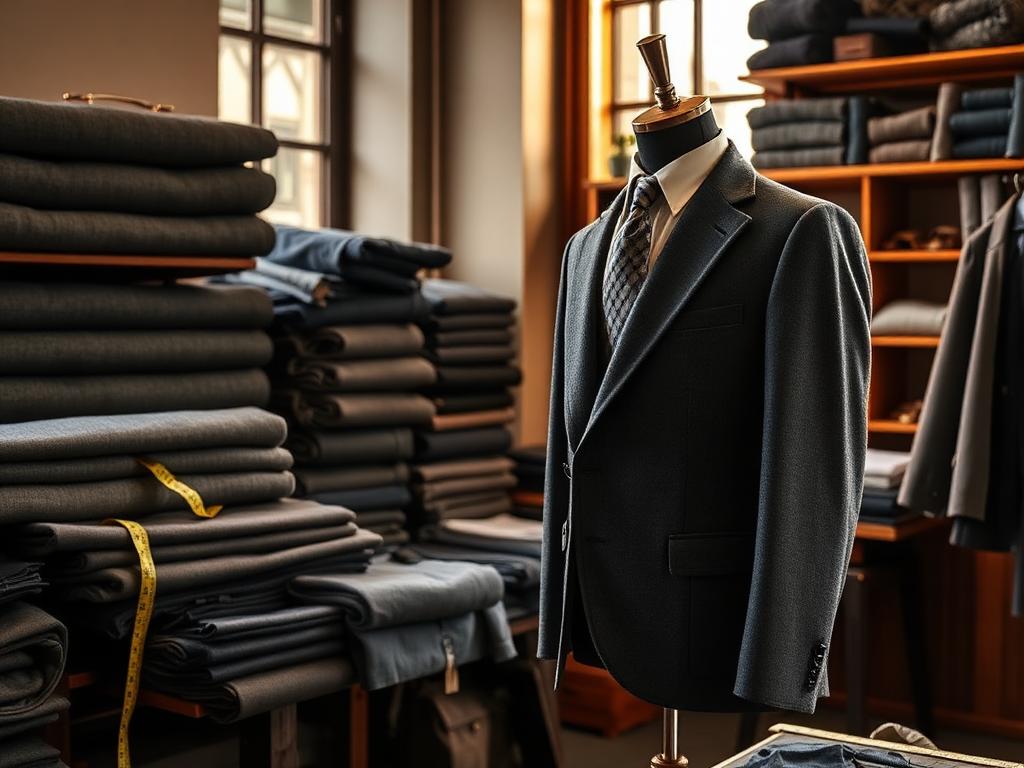
The bespoke product has not, fundamentally, changed. The cutting is the same; the canvasses are the same; the linings remain almost exclusively woven within fifty miles of where they have always been woven. What has changed, marginally, is the silhouette: a slightly higher armhole, a slightly softer shoulder, a slightly cleaner trouser line — adjustments that recognise a younger client whose taste was formed in the era of Neapolitan and Florentine influence on the international market.
The long-term question
The question that the houses themselves discuss in their unguarded moments is whether the growth is sustainable. The apprenticeship system that produces Row cutters and tailors remains under strain; the number of fully qualified entries into the trade each year is in the low double figures across the entire Row. If demand continues at its current pace, the waiting times will lengthen further before they shorten. For the moment, however, the order books are full in a way that nobody in the trade had quite expected.