Why Britain's Wealth Managers Are Quietly Selling Their Supercar Funds
Three London wealth houses with combined assets under management of more than £42 billion have, in the past nine months, quietly reduced or wound down their collectible-vehicle allocations. The repositioning has not been announced — but the limited partner disclosures tell a clear story.
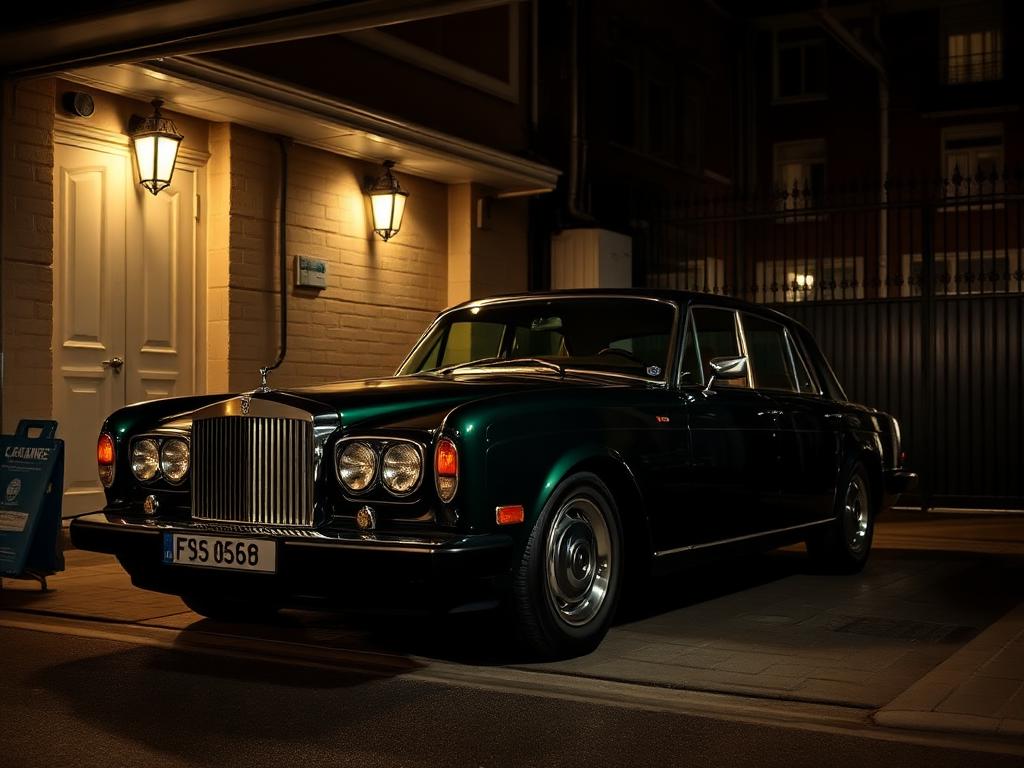
The first to move was a Mayfair multi-family office that had operated a dedicated 'rolling stock' sleeve since 2014. The sleeve, capped at three per cent of total AUM, had returned a compound 11.4 per cent over its first eight years, comfortably outperforming the FTSE All-Share. By late 2025 it had been reduced to 0.6 per cent, with the residual position concentrated in two pre-war Bugattis and a single Ferrari 250 GTO held in a Swiss bonded warehouse.
The reasoning, according to partners at the firm who spoke on condition of anonymity, is not that they expect a market collapse. It is that the asset class has become 'operationally expensive in a way that surprised us'. Insurance premiums on running-condition cars have risen by an average of 23 per cent since 2022, storage and maintenance by 17 per cent, and the cost of bringing cars to auction has roughly doubled as the major houses have begun charging seller's commission on top of buyer's premium for lots above £1 million.
The Hagerty pricing distortion
The second factor, less publicly discussed, is what one fund manager described as 'the Hagerty effect'. The American specialist insurer, which publishes monthly indices for collectible vehicles, is now treated by lenders as the de-facto reference for loan-to-value calculations on cars used as collateral. When the index moves, lenders adjust their LTVs within days, creating margin calls on owners whose vehicles have not actually changed in physical condition. For wealth managers, this has introduced a volatility that did not previously exist in the asset class.
What replaces it
The capital being released is not, on the whole, returning to public equities. Two of the three houses are increasing allocations to UK farmland and to specialist credit funds focused on the EU electric-vehicle charging infrastructure. The third is rebuilding a position in fine wine, a category it had exited in 2019 after a sustained period of weak returns. None of the houses has spoken publicly about the shift; the disclosures are visible only through the underlying fund accounts filed with Companies House.
For private collectors, the implication is twofold. Auction houses report that the supply of top-tier vehicles to spring sales has thinned, with several anticipated lots withdrawn at the last moment as institutional sellers re-evaluate. At the same time, the depth of bidding has narrowed: there are fewer institutional buyers in the room at every price point above £1.2 million. The market is not collapsing, but it has become noticeably more dependent on individual taste.