A Wet Track, A Counterfeit Tyre: The Forensics of a £900,000 Crash
On the morning of 4 February 2025, a privately-owned Aston Martin DB12 left the M25 on the elevated section near junction 23, struck the central reservation and rolled twice before coming to rest in lane one. The driver, a 47-year-old company director from Hertfordshire, walked away with bruising. The vehicle, insured for £894,000, was a total loss. The forensic investigation that followed opened a window onto a problem the industry has been reluctant to discuss.
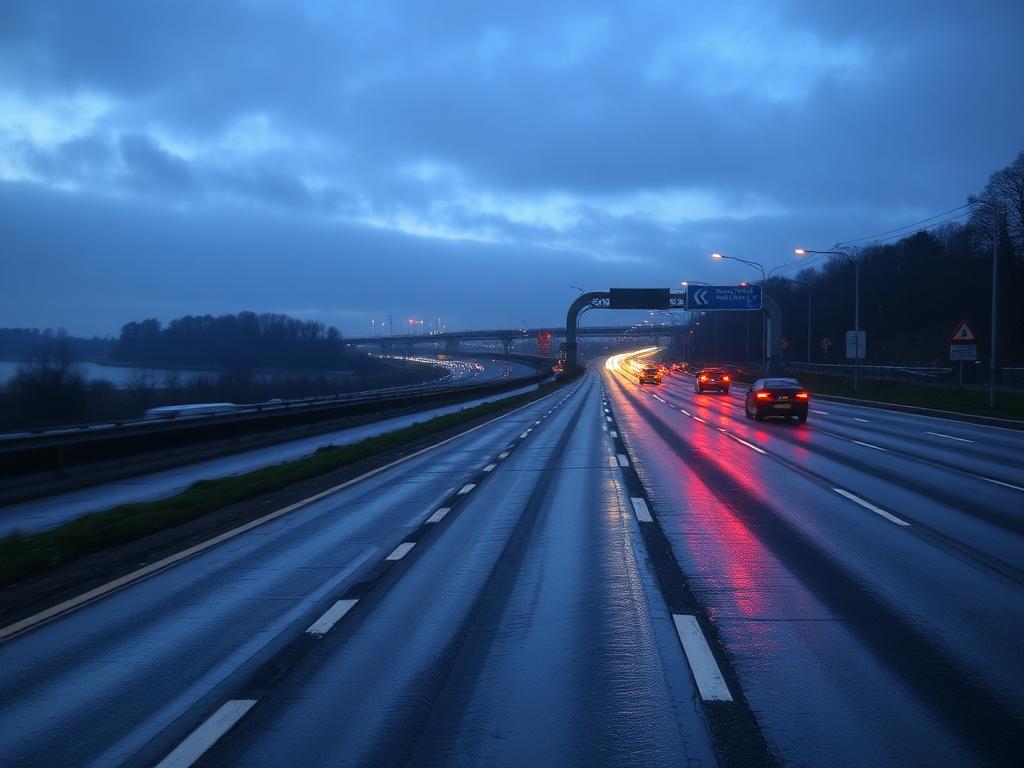
The Highways Authority closed three lanes of the motorway for almost six hours that morning. The initial police report attributed the accident to driver error: excessive speed for the conditions, with standing water on the carriageway. The insurer's expert, brought in three days later, was not satisfied. Telemetry recovered from the vehicle showed that the speed at the moment of loss-of-control was 73 mph, well within the legal limit, and that the driver had applied steering input that should, given the vehicle's specification, have been correctly handled by the electronic stability system.
The tyre evidence
The expert's attention turned to the rear left tyre. Visually, it carried the moulded markings of one of the three approved performance tyre brands for the DB12. Tread depth was 4.2 millimetres, well above the legal minimum and consistent with the vehicle's recorded mileage. But the rubber composition, when analysed at an independent laboratory in Loughborough, did not match the published compound for that brand and size. It was, in the words of the laboratory report, 'a competently made counterfeit, consistent with sources previously linked to facilities in the Pearl River Delta'.
The owner had purchased the tyres eleven months earlier from an independent supplier in Buckinghamshire. The supplier, when contacted by investigators, produced invoices from a wholesaler in the Netherlands, which in turn produced invoices from an importer in Hamburg. The trail went cold at the German border. The wholesale price had been approximately 18 per cent below the manufacturer's recommended trade price — enough to attract attention, but not enough to be unambiguous.
What it tells us about the market
The British Specialist Tyre Association estimates that between 2 and 4 per cent of performance tyres sold in the UK in 2024 were either counterfeit or grey-market product re-labelled for European specification. Most are physically safe; the danger lies at the extremes of the operating envelope — wet roads, high temperatures, sustained high-speed loading — exactly the conditions in which a luxury performance vehicle is most likely to need its tyres to perform. The Association's chief executive told us that the only effective defence is to buy from manufacturer-approved dealers and to retain the paperwork.
The Hertfordshire crash produced no criminal charges; the supplier was unable to demonstrate that he had knowingly sold counterfeit product, and the insurer settled the claim. The vehicle was sold for parts at a closed auction in March. The owner has, we understand, replaced it with a similar model, and now buys his tyres directly from the manufacturer's UK arm.