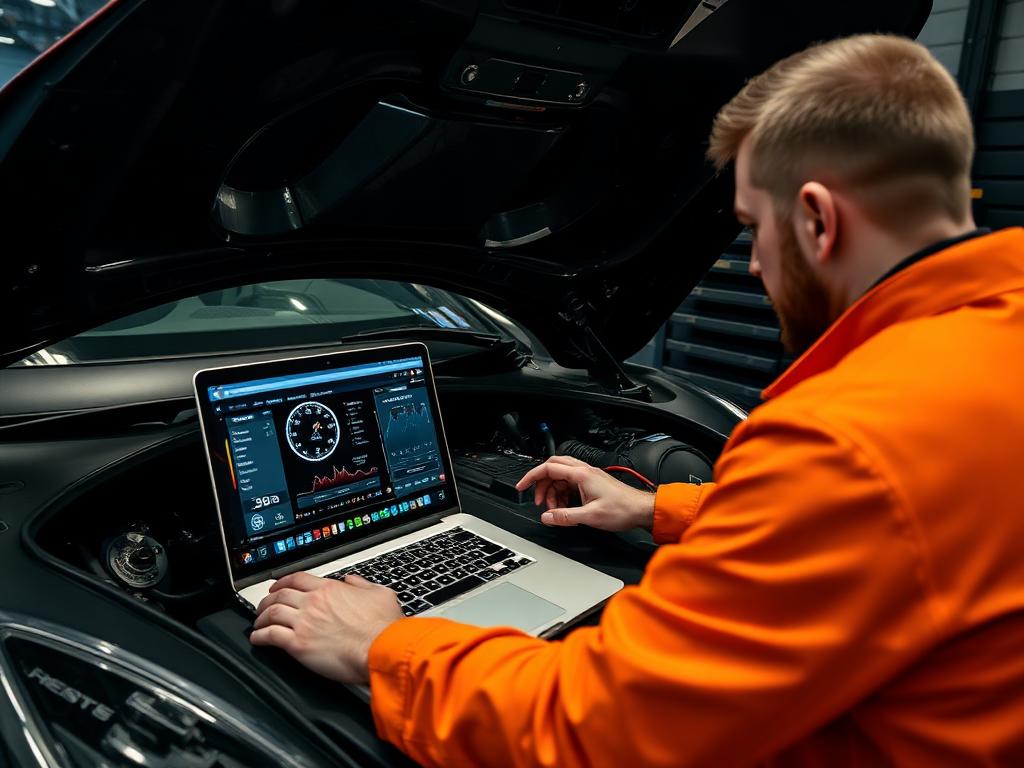
OTA Updates Are Now Mandatory on UK-Registered Hypercars
The Driver and Vehicle Licensing Agency confirmed last week that the long-trailed safety framework requiring over-the-air software updates on high-performance vehicles will enter force on 1 January 2027, applying to all UK-registered vehicles with manufacturer-rated power output above 500 horsepower.
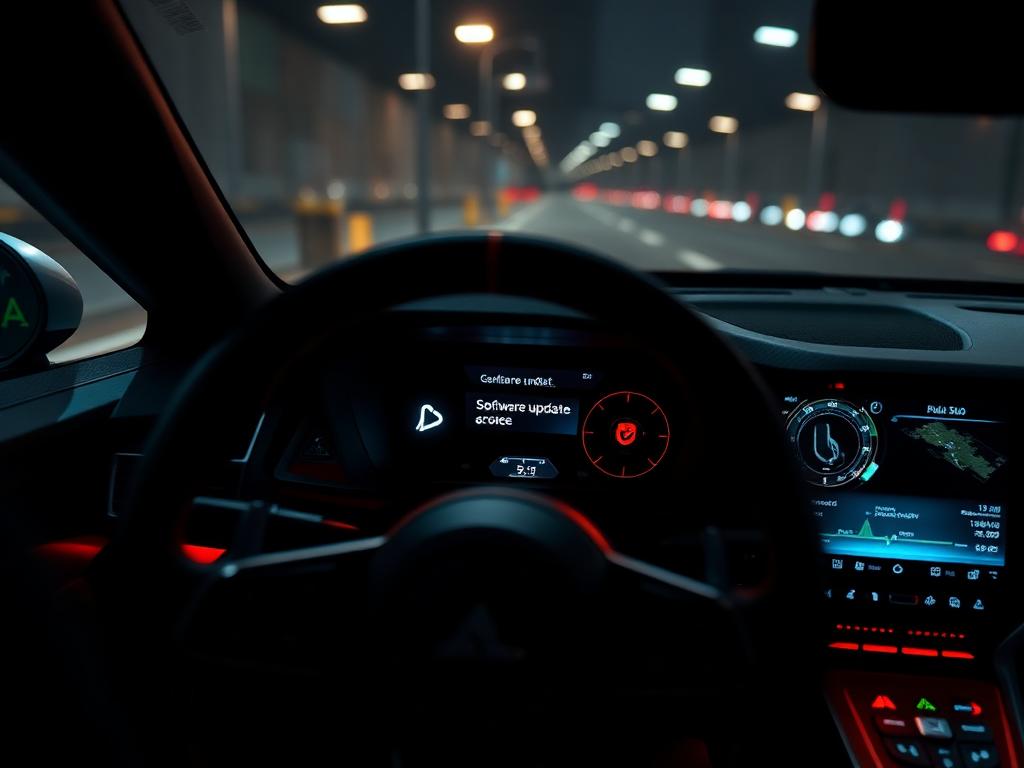
The framework, developed jointly with the Department for Transport and the Society of Motor Manufacturers and Traders over the course of 2024 and 2025, requires that critical safety software — anti-lock braking, electronic stability, driver assistance, battery management on hybrid and electric vehicles — be capable of receiving and installing manufacturer updates without a workshop visit. Vehicles that cannot receive such updates will not be refused registration outright, but their owners will be required to attend a manufacturer-approved facility within sixty days of any safety bulletin being issued.
How the manufacturers have responded
For the major luxury manufacturers, the framework codifies practice that has been in place since approximately 2020. All vehicles currently in production from Stuttgart, Gaydon, Crewe, Sant'Agata Bolognese and Modena meet the requirement out of the showroom. The change will be felt principally by owners of vehicles registered between 2015 and 2020, where over-the-air capability was either optional or absent.
For the small specialist manufacturers — the British low-volume sector that builds between 50 and 400 vehicles per year — the framework presents a meaningful engineering challenge. Three smaller marques have indicated that they will offer retrofit telemetry packages for vehicles registered after 2018, at a list price expected to fall between £8,500 and £14,000. Vehicles older than 2015 will, in most cases, not be retrofitted; their owners will be required to use the workshop-visit alternative.
What it means in practice
For owners, the practical effect is small: most modern hypercars already receive software updates in the same way that a smartphone does, often without the owner noticing. The legal change shifts the responsibility for installing those updates from the owner to the manufacturer's update channel — meaning, in effect, that an owner who refuses an update can no longer rely on the absence of installation as a defence in any subsequent investigation.
The framework will be reviewed in 2029, with the threshold expected to drop to 350 horsepower if the first three years pass without significant incident.